

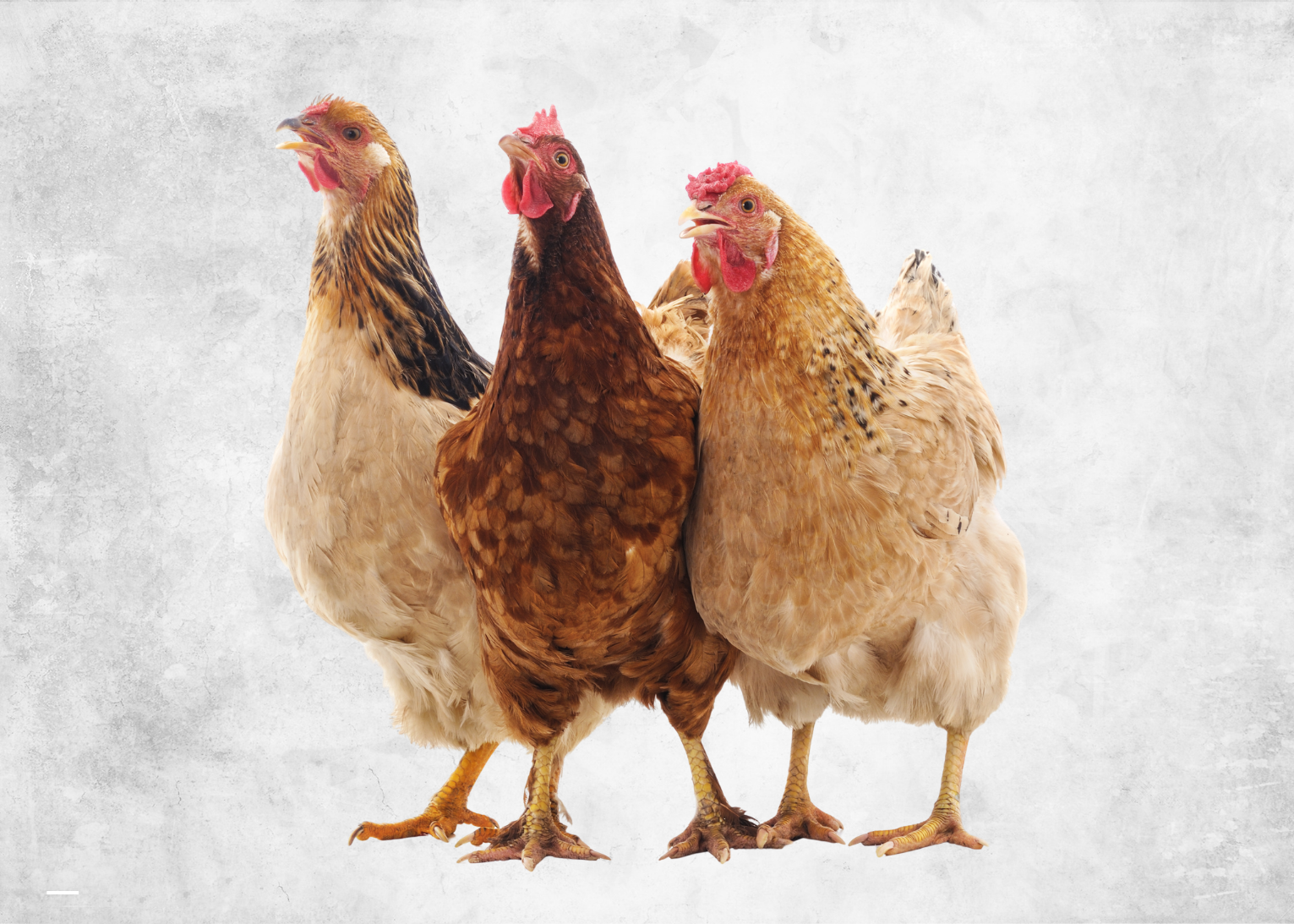
Chicken Enrichment Ideas: 30 Ways to Keep Backyard Chickens Happy When They Can’t Free Range
If your chickens can’t free range all day, it doesn’t mean they have to spend their days standing around looking bored.
Chickens are naturally curious, active foragers. Given the opportunity, they will spend hours scratching, pecking, digging, climbing, searching for food and investigating anything new in their environment.
Whether your flock is confined because of bird flu (H5N1) biosecurity requirements, predators, council rules, or just to save your garden beds, adding enrichment can make their run a much more interesting place to be.
And the good news? Chicken enrichment doesn’t have to be expensive. Some of the best chicken activities can be made using things you already have around the house or garden.
Here are our favourite chicken enrichment ideas for Australian backyard chickens.
Why Is Chicken Enrichment Important?
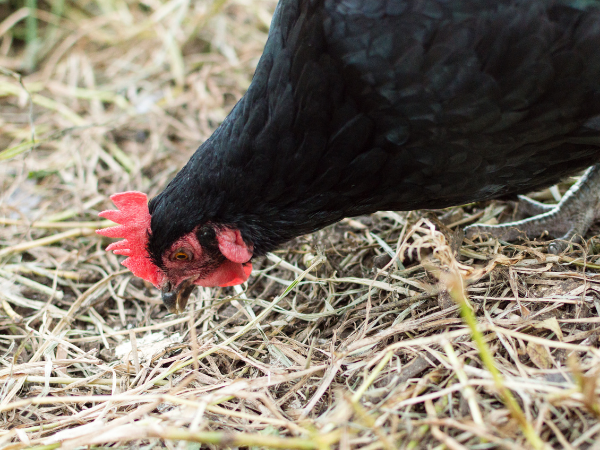
Free-ranging chickens naturally have plenty of opportunities to explore. They can scratch through garden beds, search for insects, dust bathe, nibble grass, climb over fallen branches and spend much of their day looking for their next tasty morsel.
Chickens confined to a run — including flocks kept in under biosecurity measures during avian influenza outbreaks — have fewer chances to perform these natural behaviours.
Enrichment helps recreate some of these activities by encouraging chickens to:
- Forage for food
- Scratch and peck
- Explore new objects
- Climb and perch
- Dust bathe
- Search for treats
- Investigate different textures
- Exercise
- Use their natural curiosity
The trick is to change things around regularly. You don’t need to fill the chicken run with dozens of toys. Moving a log, introducing a pile of leaves or hanging up a different vegetable can be enough to create something new to investigate.
A biosecurity note: if your flock is confined specifically due to avian influenza precautions, avoid bringing in anything from areas wild birds frequent (foraged branches, leaf litter, or water from open ponds), and choose enrichment items that are easy to clean, disinfect or replace.
30 Chicken Enrichment Ideas
Foraging & Food-Based Enrichment (1–17)
1. Hang Up a Cabbage A whole cabbage is one of the easiest chicken enrichment activities. Put it into a hanging net and suspend it from the roof of the chicken run so the chickens have to jump, stretch and peck at it. As the cabbage gets smaller, your chickens have to work harder to get at the remaining leaves.
Tip: Don’t hang anything so low that chickens can become tangled in it, and regularly check ropes, nets and attachments for damage.
2. Hang Broccoli, Lettuce or Cauliflower Don’t limit yourself to cabbage. Hanging vegetables encourages chickens to stretch, jump and peck rather than simply eating from a bowl.
3. Hang Apples from a String Cut an apple into large pieces (or use it whole) and securely attach it so the chickens have to peck at it to get their treat. Simple, cheap, and always a hit.
4. Hang Corn Cobs Fresh corn on the cob is excellent entertainment — hang the cob rather than placing it on the ground so chickens have to work for it.
5. Make a Chicken Kebab A food rope is essentially a chicken-friendly kebab: thread suitable vegetables and fruit — apple, broccoli, silverbeet, cauliflower, pumpkin — onto a strong, securely attached food-safe rope. Your chickens have to work their way along it to get their treats.
Always check the attachment can’t unravel into small pieces or become an entanglement hazard.
6. Make a Hay Bale Treasure Hunt A small bale of hay can become a fantastic foraging activity. Cut some of the bale twine so the hay loosens slightly, then sprinkle treats such as mealworms or chicken scratch through the bale. Your chickens will spend ages pulling apart the hay looking for the treats.
Important: Use clean, dry hay that is free from mould, and never use treated or chemically contaminated material.
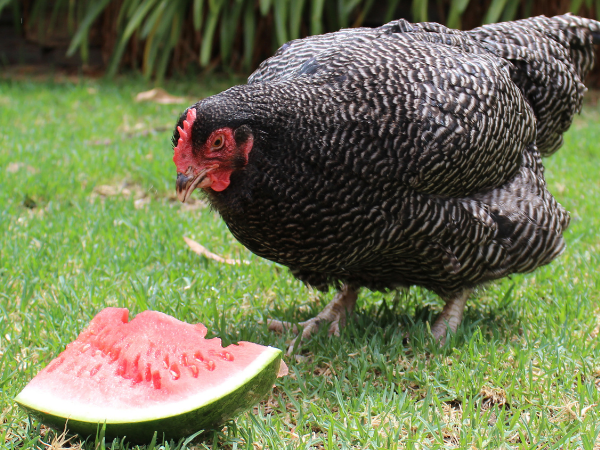
7. Give Them a Watermelon On a hot Australian summer day, a chilled watermelon is fantastic enrichment. Cut it in half and let the chickens peck at the flesh — they get both food and moisture while spending time working away at it.
8. Give Them a Pumpkin to Destroy A whole (or halved) pumpkin can become an afternoon-long activity. Just make sure it’s still fresh, not mouldy or rotten.
9. Boiled Carrots Cheap carrots, boiled until just tender and cooled completely, make a good occasional treat with a different texture to raw veg. Bags of horse carrots are the most economical way to purchase these.
10. Hide Mealworms Instead of putting mealworms straight into a bowl, hide them under leaves, in hay, around logs, in a pecking block or scattered around branches — turning feeding time into a game of find-the-mealworm.
11. Create a Pecking Block A chicken-safe pecking or seed block gives chickens something to work on over time. Use a commercial block or a chicken-safe homemade one, and place it somewhere accessible without relying on it as a main food source.
12. Try Silverbeet Hang it, place it in a grazing frame, or scatter it around the run. If you’re growing silverbeet in the garden, don’t be surprised if your chickens take a keen interest in the patch.
13. Let Them Forage Through Lucerne Chaff Scatter small amounts of lucerne chaff around the run for extra foraging material. As with any new food, introduce it gradually and don’t let treats replace a nutritionally complete diet.
14. Use Kitchen Scraps as a Foraging Activity Scatter suitable kitchen scraps around the run instead of tipping them into a bowl or tray, to encourage natural scratching and searching. Treats and scraps should complement a balanced diet, not replace it.
15. Grow Wheat Sprouts in Trays Grow wheat sprouts in shallow trays, then put the tray into the run once they’ve sprouted. Rotate a few trays so one is always growing while another is being enjoyed — a great mini gardening project for your flock.
16. Make a Grazing Frame Create a sturdy frame with mesh over the top and let grass or other chicken-safe plants grow underneath. Chickens can peck at the fresh growth through the mesh without destroying the roots — handy if your flock doesn’t have access to a grassed area. Make sure anything you grow hasn’t been treated with pesticides or herbicides.
17. Freeze a Treat Block On hot days, freeze chopped fruit, veg or mealworms into a block of water (an ice-cream container works well) and let your chickens peck away as it melts. It’s enrichment and a way to help them cool down at the same time.
Digging, Dusting & Scratching (18–24)
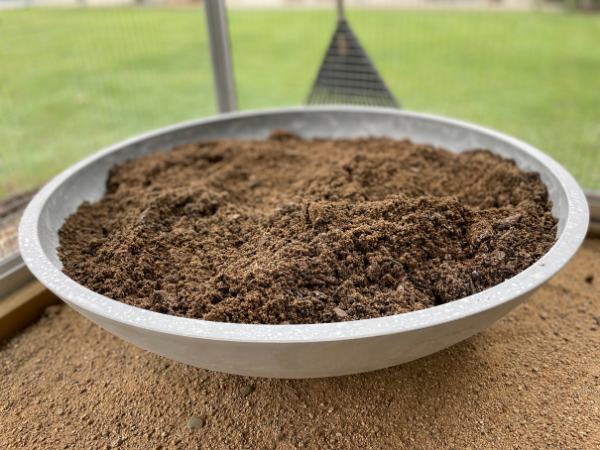
18. Give Them a Dust Bath Dust bathing is a natural behaviour chickens actively seek out. If your run doesn’t have suitable dry soil, fill a large tub, tyre or shallow container with dry soil and keep it somewhere it will stay relatively dry.
19. Give Them a Pile of Leaves Rake up dry leaves and pile them into the run. Chickens will immediately start scratching through them looking for insects. Scatter a few mealworms through the pile to turn it into a treasure hunt.
20. Make a Pile of Garden Sticks and Twigs Don’t send every fallen branch to green waste — a pile of sticks and twigs gives chickens plenty of gaps to investigate and scratch underneath. Just avoid anything sharp, splintered, or from toxic plants.
21. Add Natural Logs Bring a few natural logs into the run. Chickens will climb over them, scratch around them, and investigate the cracks and crevices — which often attract insects too. Move the logs occasionally to create a fresh layout.
22. Reuse Old Tyres Old tyres make surprisingly versatile enrichment. Try setting up a few with different purposes — one filled with branches and weeds, one with soil and mulch for digging, and one as a dedicated dust bath. Rotate the contents every few weeks to keep things interesting. Make sure tyres are clean, secure and positioned so no chicken can get trapped.
23. Offer Grass Clippings — Carefully Fresh, short grass clippings can be great enrichment, but avoid giving chickens long handfuls that can become tangled in their crop. A grazing frame is a safer way to offer fresh grass. Never use clippings treated with herbicides, pesticides or fertilisers.
24. Give Them Horse Manure to Investigate Clean, fresh manure from a healthy horse (not recently treated with medications that could pass through it) gives chickens a natural opportunity to scratch and forage for insects. If you’re not certain of the source, skip this one.
Perches, Play & Physical Enrichment (25–30)
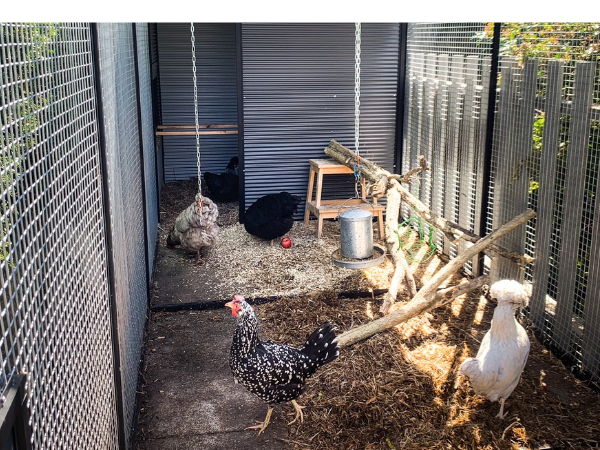 25. Add a Chicken Swing Yes, chickens really can use swings. A securely mounted piece of untreated timber, hung at a safe height, is enough to provide another perch while encouraging movement and exploration.
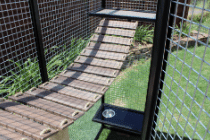
26. Build a Chicken Jungle Gym with Extra Perches Don’t just think about floor space. Chickens love to move vertically, so add extra perches at different heights, with a ladder providing a pathway up. Try timber perches, natural branches, ladders, sturdy logs and platforms — just make sure there’s enough room for all birds to move without overcrowding.
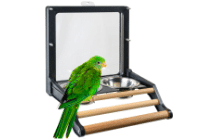
27. Give Them a Mirror to Investigate A securely mounted, shatter-resistant mirror gives chickens something completely new to investigate — they may peck at it, stare at their reflection, or just explore this strange “new chicken.” If you notice persistent aggression or stress, remove it.
28. Try a Xylophone A small children’s xylophone gives chickens a chance to discover that pecking creates sound. Choose a sturdy, non-toxic item and supervise at first to check for loose parts.
29. Change the Environment Regularly You don’t need a new toy every week. Move the logs, change the dust bath’s location, add a pile of leaves, move the perches, hang up a different vegetable, or add a cardboard box to investigate. For chickens, something new is often something exciting.
30. Create a Chicken Obstacle Course Combine several of these ideas — a ladder, perches at different heights, logs, branches, tyres, a grazing frame, hanging vegetables and a dust bath — into one space. It doesn’t need to look neat. A slightly messy run is often far more interesting to a chicken than a perfectly tidy one.
The Best Chicken Enrichment Is Often Free
One of the great things about keeping backyard chickens is that enrichment doesn’t have to cost a fortune. Look around your garden and you might already have everything you need:
- A fallen branch?
- A pile of leaves?
- An old tyre?
- A leftover pumpkin?
- Some silverbeet?
- A bale of hay?
- An apple? Chicken enrichment.
The goal isn’t to entertain your chickens every minute of the day — it’s to create an environment where they have opportunities to forage, scratch, peck, perch, explore and behave like chickens. Whether your flock can’t free range because of bird flu biosecurity, foxes, neighbourhood restrictions, or simply protecting your garden, a well-designed run can give them plenty to do.
How Often Should You Change Chicken Enrichment?
You don’t need to replace everything at once. Try introducing one new activity every few days and rotating existing enrichment. For example:
- Monday: Add a pile of leaves with mealworms hidden inside
- Wednesday: Hang a cabbage
- Friday: Move the logs and add fresh branches
- Sunday: Give them a pumpkin to investigate
This keeps the environment changing without creating unnecessary expense.
Keep Chicken Enrichment Safe
Before introducing anything into your chicken run, consider whether it could cause an injury or health problem. Avoid:
- Mouldy or rotten food
- Toxic plants
- Treated timber
- Sharp or rusty objects
- Loose string or rope that could cause entanglement
- Small objects that could be swallowed
- Chemicals, pesticides or herbicides
- Anything that could collapse or trap a chicken
Always supervise chickens when introducing a new enrichment item for the first time, and remember enrichment should supplement — not replace — a balanced diet, clean water, adequate space and safe shelter.
FAQs About Chicken Enrichment
Do chickens really need enrichment if they have a big run? Yes. Even a large run is a fixed, unchanging space compared to free ranging. Rotating enrichment gives chickens variety and something new to investigate, regardless of run size.
What’s the cheapest way to enrich a chicken run? Garden scraps — fallen branches, leaf piles, and vegetable offcuts — cost nothing and are just as effective as store-bought toys.
Can I still give my chickens enrichment during a bird flu lockdown? Yes, as long as items don’t come from areas wild birds frequent (open ponds, foraged material from unfenced land) and can be easily cleaned or replaced as part of your biosecurity routine.
How do I stop my chickens from feather-pecking in a confined run? Boredom is a common trigger. Increasing foraging opportunities (hanging veggies, treasure-hunt hay bales, hidden mealworms) and adding extra perches to ease crowding can both help reduce it.
What’s Your Chickens’ Favourite Enrichment?
Every flock has its own personality. Some chickens will go crazy for mealworms. Others will completely ignore an expensive toy but spend half an hour investigating a boring old branch pulled out of the garden.
What does your flock love? Do they have a favourite vegetable? A particular perch? Do they go crazy for watermelon, scratch through leaves, or spend hours destroying a cabbage?
We’d love to hear your best chicken enrichment ideas — especially the cheap or completely free ones that have worked brilliantly for your flock. Share your ideas with us and help other Australian backyard chicken owners give their hens a happier, more interesting life.
Looking for a Chicken Run Designed for Happy Backyard Chickens?
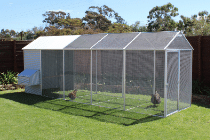
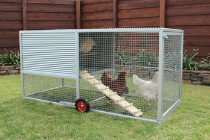
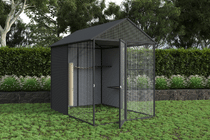
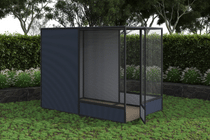
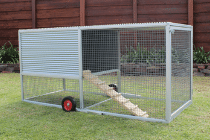
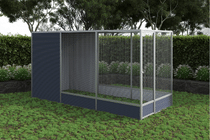
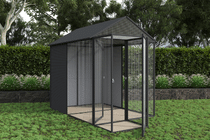
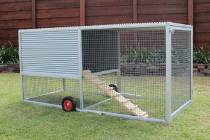
At Royal Rooster, we design and manufacture predator-resistant chicken coops and runs in Australia, with options that give your chickens plenty of room for perches, dust baths, foraging areas and enrichment.
A safe chicken run doesn’t have to be boring. With a little imagination, it can become a chicken playground.
Royal Rooster — Australian made chicken coops and enclosures for happy backyard chickens.
Add comment