









Why Have My Chickens Stopped Laying Eggs? 10 Common Reasons & What to Do About It
You head out to the coop, basket in hand, and… nothing. Again. If your girls have gone from reliable little egg machines to laying absolutely zilch, you’re not alone — it’s one of the most common questions we hear from backyard chicken keepers right across Australia.
The good news is that a drop in egg production is rarely a mystery once you know what to look for. Most of the time it comes down to something completely natural — the seasons, a moult, or simply a hen who’s due for a rest. Occasionally it’s something worth investigating a little further, like nutrition, parasites or stress. Below we’ve rounded up the ten most common culprits, so you can work out what’s going on with your flock and get things back on track.
 1. Daylight Hours and the Seasons
Chooks are creatures of light. Hens need somewhere between 14 and 16 hours of daylight a day to keep their reproductive hormones firing on all cylinders and produce eggs consistently. As our Aussie days shorten heading into autumn and winter, it’s completely normal for laying to slow right down — especially around the winter solstice, when daylight hours hit their lowest point.
That said, hens still need at least 8 hours of darkness each night for proper rest, so it’s not simply a case of “more light is always better.”
You can install a timer light in the coop if you’d like to keep the eggs coming through the cooler months, but plenty of keepers prefer to just let their girls take a natural winter break. Pullets (young hens under 12 months) will often power through their first winter without missing a beat, while older hens usually down tools for a few weeks. Either way, most flocks pick back up again by late July to mid-August, so if your hens have gone quiet over winter, the calendar is probably your answer.
2. Moulting: Nature’s Reset Button
If your hens are looking a little scruffy and there are feathers scattered all over the run, they’re probably moulting. This usually happens in late summer or winter, and it’s completely normal for egg-laying to stop altogether while it’s going on.
A moult can last anywhere from 6 to 12 weeks, and how dramatic it looks depends on the breed — Silkies, for example, tend to moult later and more gradually than a busy commercial layer like an ISA Brown.
Growing a full new coat of feathers takes a huge amount of protein, and that energy has to come from somewhere — which is exactly why laying grinds to a halt. You can support the process by boosting their diet with protein-rich treats like mealworms, meat meal, tuna, boiled eggs, or a high-protein layer pellet (something like Red Hen 17 works well). Beyond that, the best thing you can do is be patient. Once the new feathers are in, laying will resume on its own.
 3. Age and Breed Genetics
Hens lay most reliably in their first two years, after which production naturally starts to taper off, with longer breaks between laying cycles. This is completely normal ageing, not a health problem.
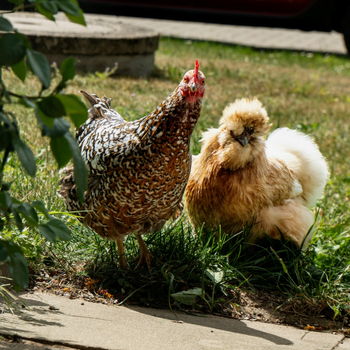
Breed also plays a big role. Commercial breeds like ISA Browns are bred to lay prolifically, but they tend to burn out faster as a result. Heritage breeds lay fewer eggs across their lifetime but tend to live longer, healthier lives — and some breeds, like frizzles, might only ever produce around 120 eggs a year. That’s not a fault; that’s just how they’re built.
Here’s a way of thinking about it that might take the sting out of a quiet winter: every hen hatches with all the eggs she’ll ever lay already inside her. So a day she doesn’t lay in winter isn’t a day lost — it’s simply a laying day that gets used up later, once the weather (and her body) allow it. In fact, the faster a hen lays, the shorter her overall laying life tends to be, which is exactly why commercial layers have shorter laying careers than heritage breeds.
If you’re planning your flock with future egg numbers in mind, it’s worth reading about breed differences before you add new chickens to your backyard flock — mixing ages and breeds well from the start makes life easier down the track.
4. Health Issues: Parasites, Illness & Stress
A sudden, unexplained stop in laying is one of the first signs something might be affecting your hens’ health. Worms, lice and mites are common culprits, and they can quietly sap a hen’s condition long before you notice anything obviously wrong. Keeping up with a regular worming schedule and checking your girls for external parasites is a simple habit that pays off.
Stress and trauma can have the same effect. A predator scare, a house move, unfamiliar noise, or even a change to their coop set-up can be enough to pause egg production while your hens recover their sense of safety. Give them time, keep their routine as calm and consistent as possible, and laying should return once they’ve settled.
Routine health checks — a quick look under the wings, around the vent, and along the legs every so often — go a long way toward catching hidden issues before they become serious.
 5. Nutrition: Fuel for Egg Production
An egg is a serious nutritional investment for a hen, so what’s in the feeder matters. Laying hens generally need a complete layer feed with around 16–18% protein. If your girls are filling up on scratch grain, kitchen scraps, or other low-protein treats instead of their proper feed, they simply may not have the raw materials to keep laying.
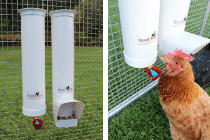
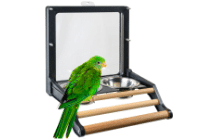
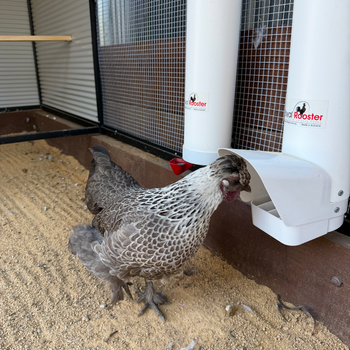
The good news is that if your hens are already on a good-quality layer pellet, piling on extra protein on top usually won’t boost egg numbers any further — balance, not excess, is the goal. A well-designed chicken feeder also helps here, since it keeps feed accessible and clean rather than scratched out and wasted on the ground.
A few nutrition notes worth knowing:
- Calcium and protein extras — crushed eggshell or shell grit for calcium, and the occasional sardine, tuna, or egg for protein, all support healthy laying.
- Scrambled eggs are perfectly safe for chickens to eat (just skip the salt, butter or oil) and are an excellent source of protein and amino acids. There’s a common myth that feeding cooked eggs will teach hens to eat their own — but there’s little evidence to support this, so long as the eggs are cooked enough that they no longer resemble raw ones.
- Canned fish such as tuna, sardines or salmon in springwater can be given as an occasional treat, but keep it in moderation — it can be high in salt if canned in brine, and too much can affect the flavour of the eggs themselves.
- Canned cat food is a myth worth putting to bed. Despite what you might read in backyard chicken forums, it isn’t a necessary or recommended supplement — it’s formulated for cats, not poultry, and a proper layer feed with the occasional protein treat covers your hens’ needs far better and more safely.
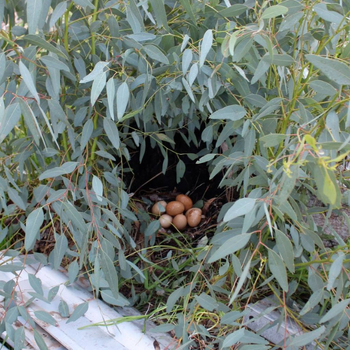 6. Egg Laying Mystery: Are They Hiding Them?
Before you assume the worst, it’s worth playing detective. Chickens absolutely love a good hiding spot, and a “drop” in egg numbers is sometimes really just eggs going undiscovered rather than unlaid.
Have a poke around under bushes, through long grass, and in any dark, quiet corners of the coop or yard your hens can access. Collecting eggs at the same time each day also helps discourage this habit, since hens are less likely to build up a secret stash if the nest is emptied regularly.
7. Hot Weather Can Affect Laying Too
Australian summers are no joke for chooks. When temperatures climb, hens will often stop laying altogether simply to conserve energy and manage heat stress — laying an egg takes a lot out of a bird already working hard to stay cool.
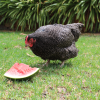
Keep water topped up, cool and fresh, provide plenty of shaded areas, and consider frozen treats (frozen fruit or veg in a block of ice is a favourite) on the worst days. Adding electrolytes to their water or offering juicy fruit like watermelon can also help keep them hydrated when the mercury climbs.
8. Broodiness Can Pause Egg Production
Some breeds — Silkies are the classic example — are notorious for going broody, meaning a hen decides she wants to sit on and hatch eggs rather than lay new ones. A broody hen will camp out in the nest box, fluff up, and often growl or peck if you go near her.
Broodiness can pause laying for weeks, sometimes months, depending on the hen and how it’s managed. You’ll need to decide whether to let her sit it out naturally or break the broodiness (moving her to a separate, cooler area without access to a nest is the usual method). Either way, it’s a completely natural hormonal behaviour, not a sign of ill health.
9. Sometimes They Just Need a Break
Laying an egg roughly once a day is genuinely hard work for a hen’s body. Rest periods aren’t a malfunction — they’re a healthy, necessary part of the cycle. Forcing hens to lay year-round with artificial light and no downtime can actually shorten their overall lifespan.
It’s worth reframing a quiet spell as a well-earned holiday for your girls, rather than a problem that needs fixing.
10. What You Can Do to Help
If you’ve worked through the list above and want to give your flock the best shot at consistent laying, here’s the checklist:
- Ensure they’re getting 8+ hours of daylight, or add a timer light in the coop if you want to keep production going through winter.
- Feed a proper complete layer pellet, and top up with calcium and protein treats where needed.
- Check regularly for worms and external parasites, and keep to a worming schedule.
- Let them rest without pressure if they’re moulting, broody, or recovering from stress.
- If eggs are a priority for your household, consider introducing a productive breed like an ISA Brown alongside your heritage hens.
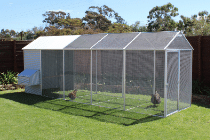
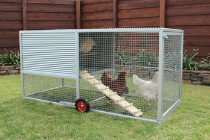
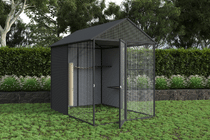
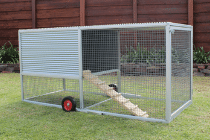
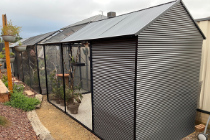
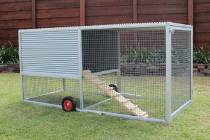
A well-set-up coop makes most of this far easier to manage day to day. If you’re building or upgrading your set-up, our guide to chicken coop sizing covers how much space your flock actually needs to stay happy, healthy and — most importantly — laying. And if you’re topping up feed daily and noticing more mess (or unwanted visitors) than eggs, it’s worth checking whether spilt feed is attracting rodents to your coop, and pairing a good feeder and drinker set with your setup to keep things clean and reduce waste.
The Bottom Line
A sudden stop in egg-laying feels alarming, but in the vast majority of cases it’s simply your hens responding to the season, their age, or their own biology — not a sign that something has gone wrong. Rule out the obvious (hidden nests, moulting, weather, age), keep an eye on nutrition and parasites, and give your girls the rest they’re asking for. More often than not, the eggs will be back before you know it.
Got a specific question about your flock or your set-up? Check out our FAQ page or browse our full range of chicken coops and accessories at Royal Rooster — we’re always happy to help fellow chicken keepers troubleshoot the ups and downs of backyard flock life.
Add comment