

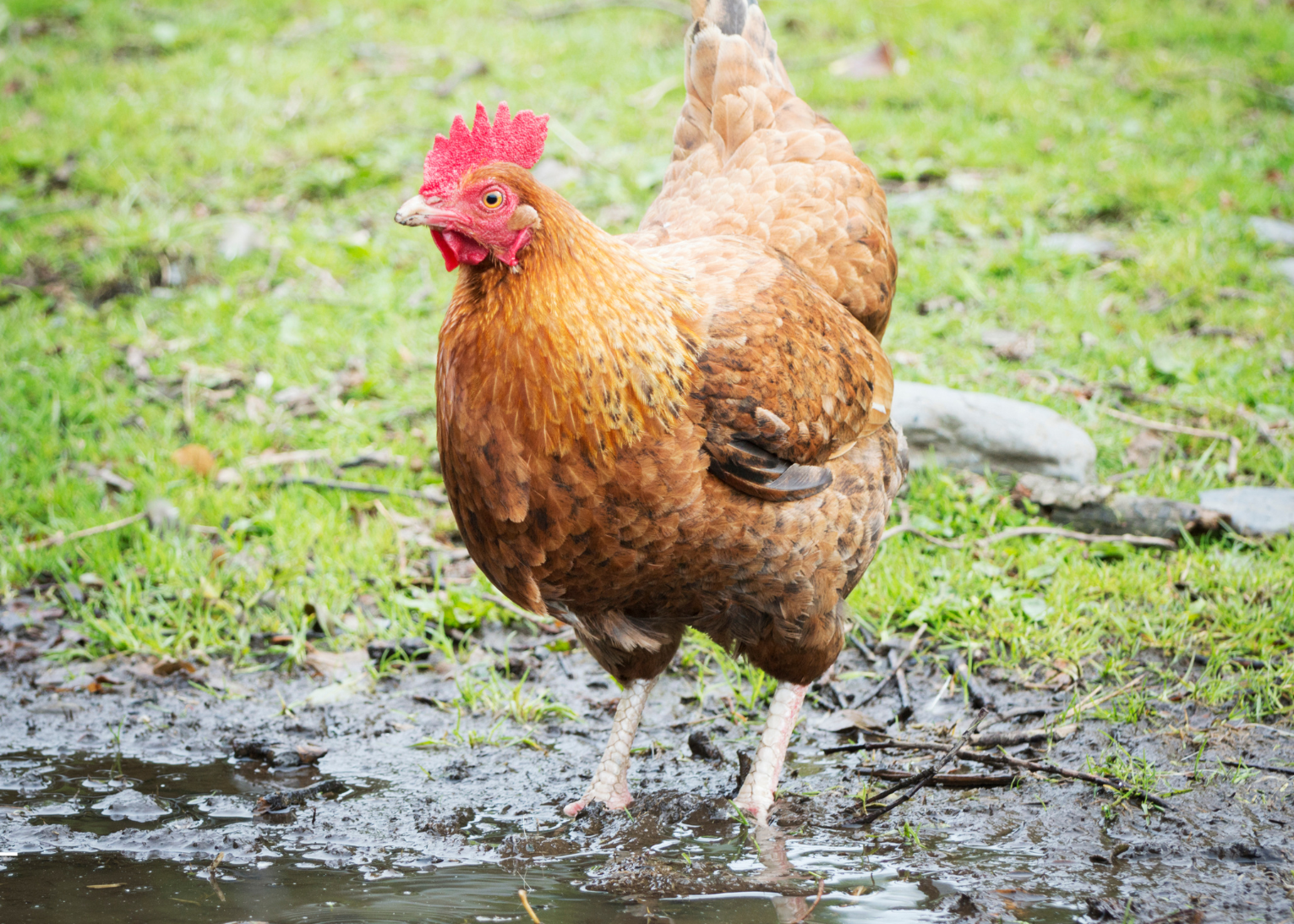
Muddy Chicken Yard? How to Fix a Muddy Chicken Run in Australia
If you’ve walked out to check on your flock after a downpour and found your chicken run has turned into a swamp, you’re not alone. A muddy chicken run is one of the most common — and most underestimated — problems Australian chicken keepers face, whether you’re dealing with a tropical wet season in Queensland, a soggy Melbourne winter, or heavy clay soil anywhere from Sydney to Perth.
The right chicken coop drainage solution depends a lot on where you’re starting from. If you haven’t set up a coop yet, you have the chance to design mud out of the picture from day one. If you’ve already got a fixed coop in place that isn’t going anywhere, you’re working with what you’ve got — and thankfully, there’s still plenty you can do to fix a muddy chicken run. This guide covers both situations, plus what happens if the problem is left untreated either way.
For flooring inside the coop itself, check out our guide to chicken coop flooring options — this article focuses specifically on the run and yard.
Why Chicken Runs Get Muddy
Mud doesn’t appear overnight, and it’s rarely caused by just one thing. The usual culprits are:
- Poor natural drainage or clay-heavy soil — very common in Australian backyards, especially in newer housing estates where topsoil has been stripped back
- Roof runoff — gutters or coop roofs draining straight into the run instead of away from it
- Water and feeder placement — spilled water pooling in the same spot day after day
- Low-lying yard areas — if the coop was sited in the lowest part of the yard, water will always find its way there
- Compacted soil — constant foot traffic from both chickens and humans packs the ground down, so water sits on top instead of soaking in
Understanding the cause matters, because it changes which fix will actually work — and, as you’ll see below, whether you can even set yourself up to avoid the problem altogether.
Why You Shouldn’t Ignore It
A muddy run might seem like a cosmetic annoyance, but left untreated it becomes a genuine welfare issue:
- Bumblefoot and other foot infections, caused by chickens standing in wet, dirty ground for extended periods
- Coccidiosis and other parasites, which thrive in damp, contaminated mud
- Respiratory issues, from ammonia build-up where wet bedding and mud mix together
- Pest attraction — mosquitoes, flies, and vermin all love standing water and wet organic matter
- Erosion — a muddy patch tends to get worse, not better, as rain keeps washing away soil and forming ruts
- Mess and smell spreading into the coop, since birds track mud in on their feet
- Stress and reduced laying, as constantly wet, unpleasant conditions take a toll on your flock
In short: mud isn’t just annoying to look at — it’s a slow-building health and hygiene problem, whether your coop is brand new or ten years old.
If You Don’t Have a Coop Yet: Design Mud Out From the Start
The easiest way to deal with a muddy chicken yard is to never end up with one. If you’re still in the planning stage, a few decisions now can save you years of soggy mornings later.
Choose your site carefully. Look for a spot with a slight natural slope or good existing drainage, and avoid the lowest point in your yard — water always finds it eventually. Position the coop away from where gutters or downpipes will drain.
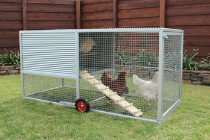
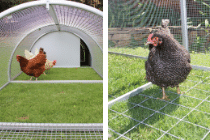
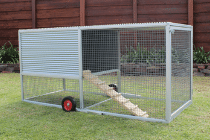
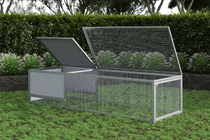
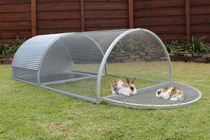
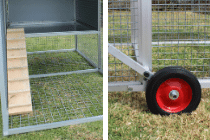
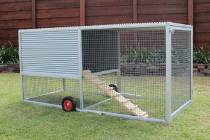
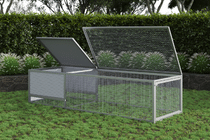
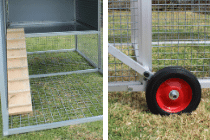
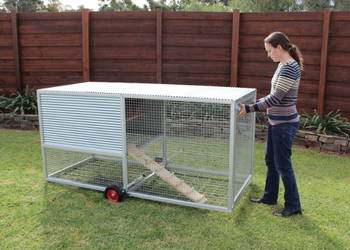 Consider a mobile chicken coop. A Royal Rooster mobile coop sidesteps a lot of the mud problem entirely, because you’re not locked into one patch of ground. If an area starts to wear out, compact, or pool with water, you simply move the whole setup to fresh ground and let the old spot recover. This is one of the biggest advantages of going mobile in a country where soil and rainfall vary so much from yard to yard.
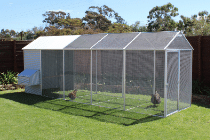
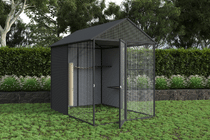
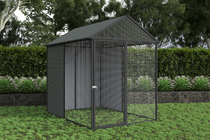
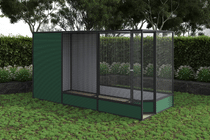
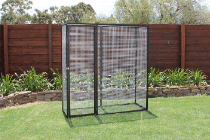
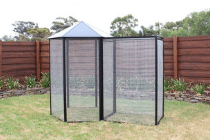
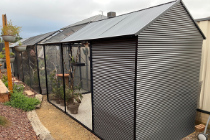
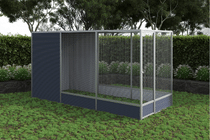
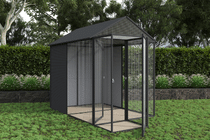
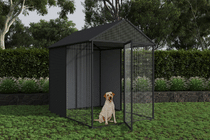
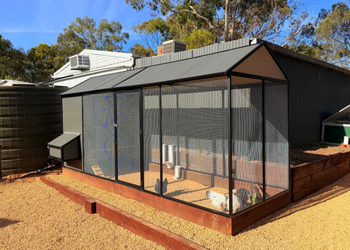
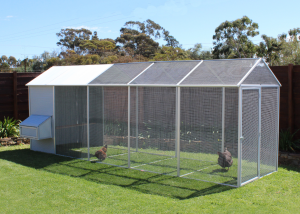
Or go with a fully covered permanent setup. If you’d rather set up once and stay put, our walk-in Chicken Palace coops are available with a full iron roof. Covering a larger footprint of the run from the outset means far less rain reaches the ground in the first place — which takes a lot of the drainage pressure off before it ever becomes a problem.
Plan your base layer before the birds move in. Building a proper sub-base (see materials below) at construction time is far easier than retrofitting it under an existing run.
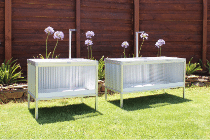
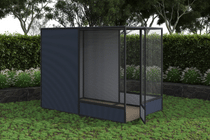
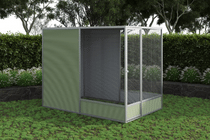
Add Weather Shields from day one of wet weather. Royal Rooster Weather Shields further enclose the housing area against wind and driving rain, so your flock always has a genuinely dry space to retreat to — even if the run itself gets wet during a storm.
If You Already Have a Fixed Coop: Working With What You’ve Got
If your coop is already in, dug in, or simply too much hassle to relocate, the goal shifts from prevention to management. The good news is a fixed coop can still be turned around — it just takes a bit more work than starting fresh.
1. Fix the Drainage Around It
You can’t move the coop, but you can move the water. This is the highest-impact fix available to you:
- Regrade the ground immediately around the run so water flows away rather than pooling against it
- Dig a French drain or gravel trench along the worst-affected side to intercept water before it reaches the run
Skipping this step is the most common mistake — you can add all the sand and gravel you like, but if water keeps draining into the same fixed spot, it’ll turn to mud again.
2. Rebuild the Ground Level with a Proper Base
Once drainage is under control, dig out the worst of the mud and rebuild the ground with:
- Scoria, roadbase, or crushed granite as a sub-base — widely available at Australian landscape supply yards and excellent for drainage
- Coarse sand or washed river sand on top
- Avoid fine sand on its own, especially in higher-rainfall areas — it compacts and holds water rather than letting it drain through
3. Try the Deep Litter Method
Layering straw, wood chips, or pine shavings over the problem areas and turning it regularly helps absorb moisture and builds a low-maintenance base that improves over time instead of breaking down into sludge — a good option when you can’t dig up and re-grade the whole run.
 4. Cover What You Can
Since you can’t relocate the whole coop, adding shelter is the next best thing. A shade cloth or clear roofing panel over at least part of the run keeps a dry zone available during storms. If you’re upgrading a fixed Chicken Palace, retrofitting a full iron roof over the run dramatically cuts how much rain reaches the ground at all. Just enquire if you’d like to convert your roof to a full iron roof. Royal Rooster Weather Shields can also be added to an existing coop to further enclose the housing area — giving your flock a reliably dry retreat even when the run around it is wet.
5. Rotate Within the Space You Have
You may not be able to move the coop, but you can often still fence off and rotate two smaller sections of the run, giving each side a break to recover instead of taking constant foot traffic.
6. Add Raised Areas or Roosting Platforms
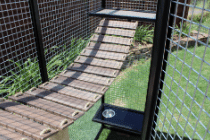
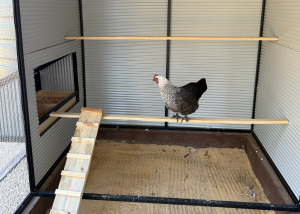
Raised perches or platforms let birds get up off the worst of the ground-level mud, giving them somewhere dry to stand even mid-storm without any structural changes to the coop itself.
Best Materials for a Muddy Chicken Run in Australia
Whether you’re comparing sand, gravel, or road base for your chicken run, here’s a quick reference for what actually works in Australian conditions:
| Material | Best Use | Notes |
|---|---|---|
| Scoria / road base | Sub-base layer | Excellent drainage, long-lasting |
| Coarse sand | Top layer | Easy to clean, dries quickly |
| Woodchips / mulch | Organic ground cover | Cheap, absorbent, breaks down over time |
| Pea gravel | Top layer or pathways | Great drainage, low mess |
| Avoid: fine playground sand | — | Compacts and holds water |
| Avoid: bare dirt/clay | — | Turns to mud almost immediately after rain |
This table applies whether you’re building fresh or retrofitting an existing run — the only difference is how much digging is involved to get there.
A Note on Australian Conditions
Mud isn’t a one-climate problem here. In the tropical north, it’s the wet season deluges that cause trouble; in southern states, it’s more often prolonged winter rain and slow-draining clay soils. Whichever climate you’re in — and whether you’re starting from scratch or working around an existing coop — the underlying fix is the same: sort the drainage, choose the right base material, and give your flock a dry place to retreat to.
FAQs
How do I stop my chicken run from getting muddy? Start with drainage — regrade the area and divert roof runoff — then add a base layer such as scoria or road base topped with coarse sand or gravel.
What’s the best base for a chicken run in Australia? Scoria or road base as a sub-base, topped with coarse sand or pea gravel, is one of the most reliable combinations for Australian conditions.
Is mud bad for chickens? Yes. Prolonged exposure to mud and wet ground increases the risk of bumblefoot, coccidiosis, and respiratory issues, and can attract pests like mosquitoes and flies.
Can I use sand in a chicken run? Coarse or washed river sand works well as a top layer for drainage and easy cleaning. Fine sand is best avoided, as it compacts and holds water rather than draining it away.
Can I fix a muddy run if I can’t move my coop? Yes. Focus on redirecting water away from the run with drainage work, rebuilding the ground with a proper base layer, and adding cover such as a full iron roof or Weather Shields to keep at least part of the space dry.
Do mobile chicken coops solve mud problems? They help significantly. Because a mobile coop can be relocated to fresh ground whenever an area becomes worn, compacted, or waterlogged, you avoid the long-term mud build-up that fixed coops are more prone to.
What’s the best chicken coop for wet Australian climates? Coops with full roof coverage, such as a Chicken Palace with a full iron roof, or add-ons like Weather Shields, perform best in high-rainfall areas since they keep both the housing and a larger portion of the run dry.
Related Reading
- Chicken Coop Flooring Options: Sand, Shavings & More
- Royal Rooster Mobile Coops
- Chicken Palace Walk-In Coops
- Weather Shields for Chicken Coops
Final Thoughts
A muddy chicken yard is a common problem, but it’s a fixable one — no matter which stage you’re at. If you’re still planning your setup, a Royal Rooster mobile coop or a fully roofed Chicken Palace can help reduce these issues. If your coop is already fixed in place, targeted drainage work, the right base materials, and add-ons like Weather Shields can turn even a persistently boggy run into a dry, healthy space for your flock.
Browse the full range of Royal Rooster chicken coops to find the right setup for your yard and climate.
Add comment