










Foods Chickens Can and Can’t Eat: The Complete Safe & Unsafe List
Chickens or “chooks” as us Aussies call them, are enthusiastic, indiscriminate eaters — which is exactly why it’s so important to know what’s actually safe to toss into the coop. Chickens can safely eat most fruits, vegetables, cooked grains, and cooked meats, but should never eat avocado skin and pit, chocolate, raw or dried beans, moldy food, or anything high in salt, caffeine, or alcohol. Below is a full breakdown of what to feed, what to avoid, and why — including a few extra hazards Australian backyards bring into the mix.
Quick Reference: Safe vs. Unsafe Foods for Chickens
| Food | Safe? | Notes |
|---|---|---|
| Banana peel | ✅ Safe | Tough and fibrous; chop or score it and wash first if not organic |
| Berries | ✅ Safe | Blueberries, strawberries, raspberries all fine |
| Eggs (cooked) | ✅ Safe | A good protein boost; always cook first |
| Leafy greens (spinach, kale, lettuce) | ✅ Safe | Feed in moderation; spinach in small amounts due to oxalic acid |
| Pumpkin (flesh & seeds) | ✅ Safe | Seeds may help with natural deworming |
| Rice (cooked) | ✅ Safe | The “raw rice expands in the crop” myth is false, but cooked is easiest to digest |
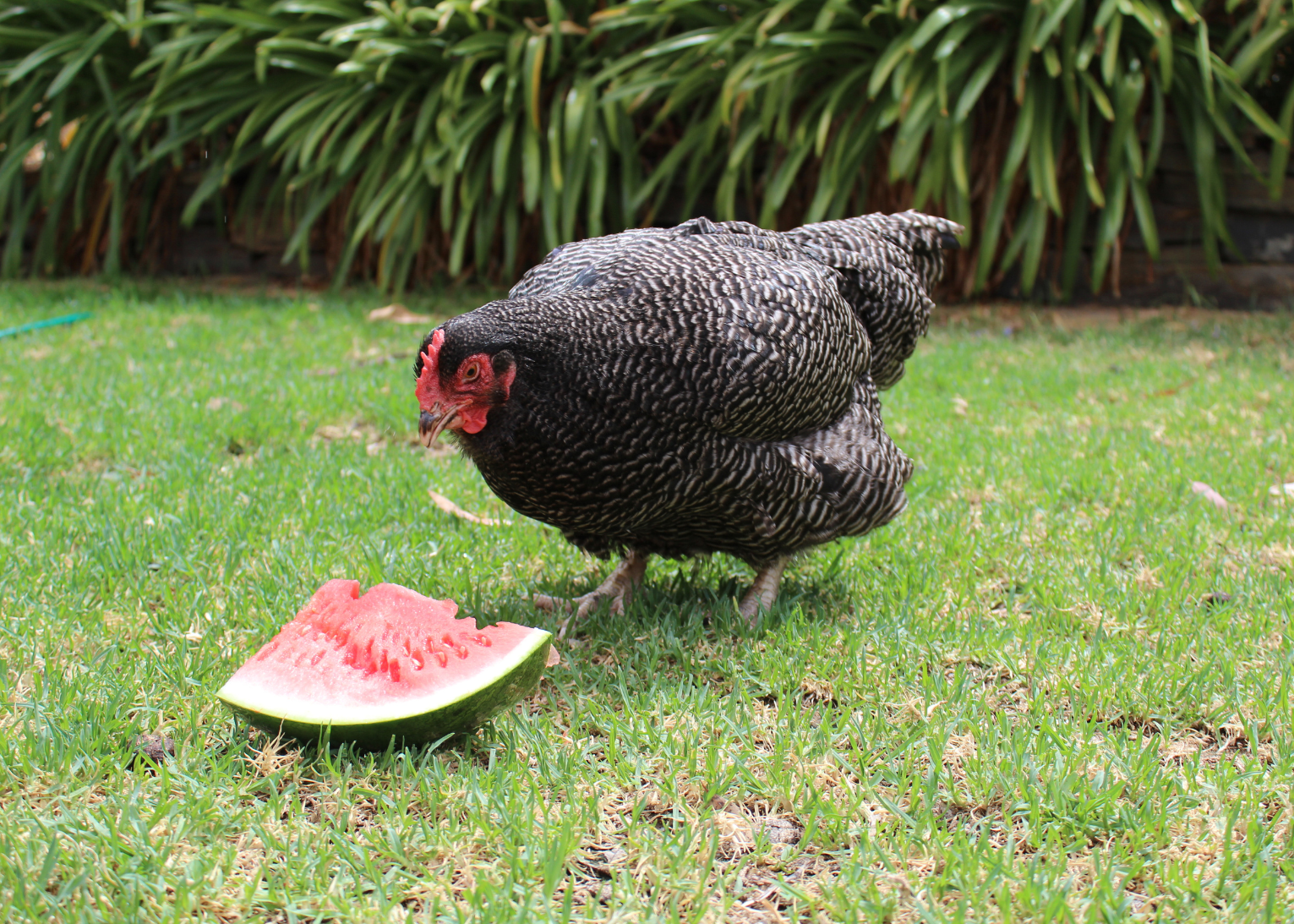
| Watermelon (flesh & rind) | ✅ Safe | Great hot-weather hydration treat |
| Bread | ⚠️ Limit | Not toxic, but low nutrition and can lead to obesity if overfed |
| Chicken meat (cooked) | ⚠️ Caution | Not toxic, but generally discouraged — see below |
| Citrus fruits | ⚠️ Limit | Not toxic, but some keepers report it can reduce egg laying in large amounts |
| Garlic and onion | ⚠️ Limit | Small amounts are fine and even beneficial; large regular amounts can taint egg flavor and stress red blood cells |
| Potato skins/leaves (raw) | ⚠️ Caution | Contain solanine; cooked potato flesh is fine |
| Alcohol | ❌ Unsafe | Toxic and disorienting even in small amounts |
| Avocado skin and pit | ❌ Unsafe | Contains persin, toxic to chickens |
| Caffeinated drinks | ❌ Unsafe | Toxic to a chicken’s cardiovascular system |
| Chocolate and cocoa | ❌ Unsafe | Contains theobromine, toxic to poultry |
| Coffee grounds (used or fresh) | ❌ Unsafe | Contain caffeine even after brewing; same risks as coffee itself |
| Meat, raw or processed/cured | ❌ Unsafe | Raw meat risks bacterial contamination; cured meats are too high in salt and preservatives |
| Moldy or spoiled food | ❌ Unsafe | Can cause fatal mycotoxin poisoning |
| Raw or dried beans | ❌ Unsafe | Contain phytohaemagglutinin, a toxin destroyed only by thorough cooking |
| Rhubarb leaves | ❌ Unsafe | Contain oxalic acid at toxic concentrations |
| Salty or processed snacks | ❌ Unsafe | Excess sodium can cause dehydration and kidney issues |
Fruits Chickens Can and Can’t Eat
Most fruits are safe and welcomed by chickens as treats. Watermelon, berries, apples, bananas, and melon are all safe and provide hydration, fiber, and vitamins. Chickens tend to go especially wild for watermelon in summer, since it cools them down and helps with hydration.
A few exceptions matter. Apple seeds contain small amounts of cyanogenic compounds, so it’s best to remove seeds and cores before feeding large quantities — an occasional apple slice with seeds isn’t going to harm a flock, but it shouldn’t become routine. Citrus fruits (oranges, lemons, grapefruit) aren’t toxic, but some backyard keepers report a drop in egg production when citrus is fed heavily, so it’s best treated as an occasional snack rather than a staple.
The one fruit to genuinely avoid is avocado — specifically the skin and pit, which contain persin, a fungicidal compound that’s toxic to chickens and can cause heart damage or death. The flesh has lower concentrations and some keepers feed it in tiny amounts, but given the risk, it’s simplest to leave avocado out of the coop entirely.
Banana peel is safe too, and often overlooked. It’s tough and fibrous, so chickens tend to work through it more slowly than the fruit itself — chopping or scoring the peel into smaller strips makes it easier for them to peck at. Since commercially grown bananas can carry pesticide residue on the skin, it’s worth a quick rinse before tossing peels into the coop.
 Vegetables Chickens Can and Can’t Eat
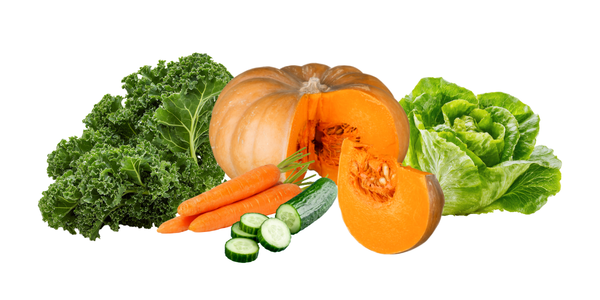
Vegetables are one of the best treat categories for chickens, offering nutrients that support egg quality and overall flock health. Leafy greens like kale, spinach, and lettuce, along with pumpkin, carrots, cucumbers, and cooked squash, are all safe choices. Pumpkin seeds in particular are popular among keepers, as they’re thought to have mild natural deworming properties.
Caution applies to the nightshade family. Raw potato skins, potato sprouts, and potato leaves contain solanine, a compound that’s toxic in high concentrations — cooked potato flesh, however, is safe. Raw green (unripe) tomatoes and tomato plant leaves carry the same solanine concern, while ripe, red tomato flesh is fine in moderation.
Rhubarb leaves are a firm no. They contain oxalic acid at levels high enough to be toxic to chickens, even though the stalks are sometimes used in small amounts by experienced keepers. When in doubt with any nightshade or leafy garden plant, it’s safer to skip it than guess.
Grains, Proteins, and Kitchen Scraps
Chickens can eat most cooked grains and proteins without issue. Cooked rice, oats, quinoa, cooked pasta, and cooked eggs are all safe and can offer a useful protein or carbohydrate boost, especially for hens in heavy lay or molting. Cooked lean meats and fish are also fine as an occasional protein treat — chickens are omnivores, not strict vegetarians, despite common assumptions.
Bread isn’t toxic, but it’s essentially empty calories for a chicken. Feeding it regularly can crowd out more nutritious foods and contribute to obesity, so it’s best kept to occasional small amounts.
Raw or dried, uncooked beans are genuinely dangerous. They contain phytohaemagglutinin, a toxin that’s only neutralized through thorough cooking. Even a small number of raw kidney beans can be fatal to a chicken, so beans should only ever be fed fully cooked.
Can Chickens Eat Chicken Meat?
This is one of the most common questions new keepers ask, and the honest answer is: technically yes, but it’s generally best avoided. Cooked chicken meat isn’t toxic to other chickens the way chocolate or avocado is — chickens are omnivores and will happily eat it. The concerns are more practical than chemical.
First, feeding chicken meat can encourage cannibalistic pecking behavior in the flock, since birds may start associating the taste and texture with other chickens, including flockmates. Second, there’s a disease-transmission angle: poultry-to-poultry feeding carries some risk of recycling pathogens back into the flock, similar to why feeding mammalian meat-and-bone meal to cattle is restricted in agriculture. For these reasons, most poultry keepers and extension guides recommend skipping chicken meat as a treat, even though a single cooked, unseasoned piece isn’t going to poison a bird.
Meats to Avoid Feeding Chickens
Chickens can eat small amounts of well-cooked, plain meat as an occasional protein treat, but several categories of meat should be kept out of the coop entirely:
- Raw meat of any kind — carries a real risk of salmonella, campylobacter, and other bacteria that can sicken the flock
- Chicken meat — not toxic, but discouraged due to cannibalism risk and disease-recycling concerns (see above)
- Processed and cured meats — bacon, ham, deli meat, and sausages are far too high in salt, nitrates, and fat for a chicken’s small system
- Seasoned or sauced meat — garlic and onion powder, heavy spice blends, and salty marinades add up fast for a bird that weighs only a few pounds
- Fatty meat trimmings — excess fat isn’t toxic but offers little nutritional value and can contribute to obesity
If you do offer meat, the safest approach is a small piece of plain, thoroughly cooked meat such as turkey, beef, or fish — offered occasionally rather than as a regular feature of the diet.
 Foods That Are Toxic or Dangerous for Chickens
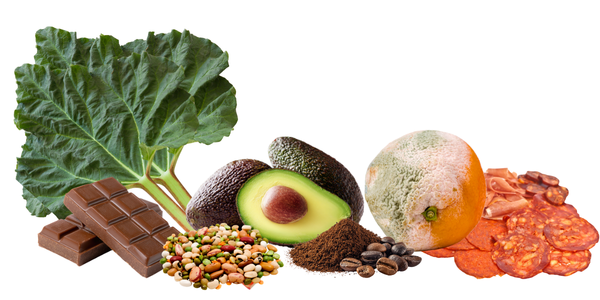
Beyond individual fruits and vegetables, there’s a shorter list of foods and substances that should never enter the coop under any circumstances:
- Chocolate and cocoa products — contain theobromine, which chickens can’t metabolize safely
- Caffeinated beverages — coffee, tea, and energy drinks affect a chicken’s heart rate and nervous system
- Coffee grounds, fresh or used — still contain caffeine after brewing, so leftover grounds from the pot aren’t a safe compost-pile snack for a free-ranging flock
- Alcohol — even small amounts are toxic and can cause disorientation or death
- Moldy, spoiled, or rotten food — can carry mycotoxins that cause serious illness or death; when in doubt, throw it out
- Highly salted or processed foods — chips, cured meats, and similar snacks can lead to sodium toxicity and dehydration
- Raw meat and processed meats — raw meat risks bacterial contamination, while cured and processed meats are too salty and fatty
- Avocado skin and pit, raw beans, and rhubarb leaves — as covered above
If a flock accidentally eats a small amount of something on this list, most healthy adult birds will be fine, but keepers should watch for lethargy, diarrhea, or labored breathing and contact a poultry veterinarian if symptoms appear.
Extra Hazards for Australian Backyard Chickens
Aussie conditions and gardens bring a few extra things to watch for that don’t always make it onto US or UK chicken-feeding guides:
- Cane toads — in Queensland, the Northern Territory, and parts of northern NSW, cane toads are a genuine danger. Their skin secretes bufotoxin, and a curious chook that pecks or mouths one can become seriously ill or die. Keep coops secure at dusk and dawn when toads are most active.
- Oleander and lantana — both are common in Australian gardens and hedges, and both are toxic to poultry if eaten in any quantity. If your chickens free-range, fence these plants off or remove them from areas your flock can access.
- Agapanthus and other ornamental garden plants — a staple of Australian front yards, agapanthus isn’t a favourite chicken snack, but it’s best kept out of reach along with other ornamental bulbs and hedging plants, some of which carry mild toxicity.
- Macadamia nuts — native to Australia and common in backyards with a macadamia tree. While macadamias are well documented as toxic to dogs, there’s limited research specific to chickens; the safest approach is to treat them the same as any high-fat nut and keep them off the menu.
- Extreme heat — Australian summers regularly push chickens into heat stress territory. Watery, hydrating treats like watermelon and cucumber are especially valuable over summer, and fresh water should always be available in shade during heatwaves.
Frequently Asked Questions
Can chickens eat avocado?
No — avocado skin and pit contain persin, which is toxic to chickens and can cause heart problems. The flesh carries lower risk, but it’s simplest to avoid avocado altogether.
Is it safe for chickens to eat raw potatoes?
Raw potato skins, sprouts, and leaves contain solanine and should be avoided. Cooked potato flesh, however, is safe for chickens in moderation.
Can chickens eat citrus fruits like oranges?
Citrus isn’t toxic, but some keepers find that feeding it in large quantities can reduce egg production. It’s best offered as an occasional treat rather than a daily staple.
Can chickens eat bread?
Yes, in small amounts. Bread isn’t harmful, but it offers little nutritional value and can contribute to weight gain if fed too often.
Can chickens eat eggs?
Yes — cooked eggs are a safe, protein-rich treat. Always cook them first, as feeding raw eggs can encourage chickens to peck at and eat their own eggs.
Can chickens eat chicken meat?
Cooked chicken meat isn’t toxic, but it’s generally discouraged. It can encourage cannibalistic pecking within the flock and carries some risk of recycling disease between birds, so most keepers avoid it.
Can chickens eat coffee grounds?
No. Coffee grounds still contain caffeine even after brewing, which makes them unsafe for chickens — including in the compost pile or garden bed a flock might peck through.
What meats are safe for chickens?
Small amounts of plain, thoroughly cooked meat like beef, turkey, or fish are fine as an occasional treat. Raw meat, chicken meat, and processed or cured meats like bacon and deli meat should be avoided.
What human foods are most dangerous to chickens?
Chocolate, caffeine, alcohol, raw or dried beans, avocado skin and pit, rhubarb leaves, and moldy food are the most commonly cited dangers for backyard flocks.
What Chickens Love to Eat: Favorite Treats
While chickens will eat almost anything, certain treats reliably send a flock running across the yard. If you’re looking for safe options your chickens will actually get excited about, these are consistent favorites among backyard keepers:
- Watermelon — a summer favorite that also helps with hydration on hot days
- Mealworms — a high-protein treat chickens seem almost instinctively drawn to, dried or live
- Cooked scrambled or hard-boiled eggs — an easy protein boost, especially useful during molting season
- Berries — blueberries and strawberries are usually gone within seconds of hitting the ground
- Corn on the cob — a fun, pecking-friendly treat that also doubles as enrichment
- Pumpkin and squash — popular in fall, with seeds that many keepers value for their natural deworming properties
- Leafy greens like kale or lettuce — especially popular when hung up as a “cabbage piñata” for pecking enrichment
- Cooked rice or oats — a warm, filling treat that’s especially appreciated in cold weather
These treats double as enrichment, giving chickens something to chase, peck, and work for — which can help reduce boredom-driven behaviors like feather picking in a coop. As with any treat, moderation still applies even to the foods your flock loves most.
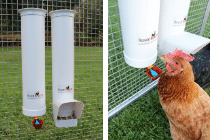
A good chicken feeder makes it much easier to manage treats alongside a flock’s regular diet, keeping the two separate and cutting down on the wasted feed that tends to attract rodents and wild birds in an Australian backyard.
Feeding Tips for a Healthy Flock
Treats and table scraps should never make up more than about 10% of a chicken’s total diet, with the rest coming from a nutritionally complete layer feed. Always provide fresh water alongside any treats, remove uneaten scraps before they spoil, and introduce new foods gradually so you can watch for any adverse reactions. When in doubt about a specific food, the safest rule of thumb is simple: if it’s on the “toxic” list — or you’re not sure — leave it out of the coop.
A reliable feeder and drinker set goes a long way toward putting this into practice day to day — keeping layer feed clean and dry, water fresh, and scraps from piling up and attracting pests. For more on keeping a healthy, well-set-up flock, the Royal Rooster blog covers topics like coop ventilation, pest control, and choosing the right coop size for your backyard.
This article is intended as general guidance for backyard poultry keepers. For flock-specific health concerns, consult a poultry vet.
Add comment