




Best Flooring for a Chicken Run in Australia
There isn’t a one-size-fits-all answer to this question. The best chook run flooring depends on your climate, whether your run is covered, how many chickens you have, and how much time you want to spend cleaning.
At Royal Rooster, we’ve seen Australian chicken keepers successfully use everything from coarse sand to horse stable pellets. Here’s what works well, what to avoid, and how to keep your chicken run cleaner and drier all year round.
Why Your Chicken Run Floor Matters
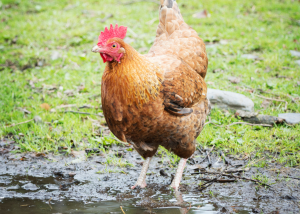
A good chicken run floor does much more than look tidy. When the ground becomes muddy and waterlogged, it can lead to unpleasant odours, dirty eggs, parasites and foot problems. Wet conditions also make it harder for chickens to dust bathe and scratch naturally.
Choosing the right flooring helps:
- Reduce mud after rain
- Improve drainage
- Control odours
- Make cleaning easier
- Keep your chickens healthier and more comfortable
 Start with a Predator-Proof Base
Before adding any flooring material, it’s worth protecting the base of your run.
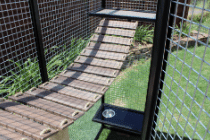
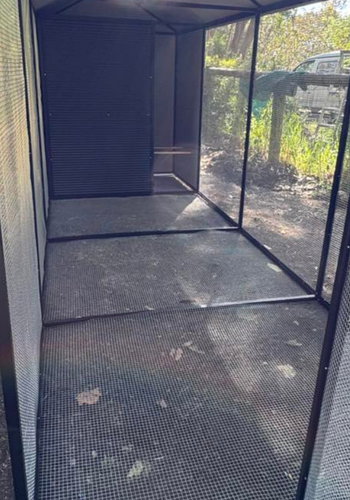
Many chicken keepers lay galvanised wire mesh underneath the flooring to help prevent foxes and rodents from digging into the enclosure. If foxes are the main issue, 150mm x 100mm or 50mm x 50mm galvanised mesh works well.
If rodents are common in your area, a smaller 12.5mm x 12.5mm mesh is a better option, as it stops them burrowing under to reach the coop.
Adding a mesh skirt extending 30–60cm around the outside of the run can also discourage digging predators.
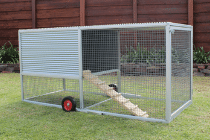
If you’d rather not build this yourself, Royal Rooster’s Mesh Floors upgrade wires a predator-proof floor straight onto the base of your mobile coop, so it moves with you. There are also floor options for the popular Chicken Palace style of work in coop. For more on keeping diggers out altogether, see our guides on fox-proofing your coop and whether chicken coops attract mice and rats.
Chicken Run Flooring: At a Glance
A quick comparison before we go into detail on each option:
| Flooring | Drainage | Odour control | Maintenance | Best for |
| Pine wood shavings | Poor if wet | Good | Medium | Covered / dry runs |
| Coarse washed sand | Excellent | Good (with lime/ash) | Low | Covered runs, easy spot-cleaning |
| Sugar cane mulch | Good | Good | Medium | Concrete floors, enclosed runs |
| Straw | Moderate | Good if dry | Medium | Winter insulation, deep litter |
| Wood chips | Excellent | Good | Low–Medium | Large outdoor runs |
| Horse stable pellets | Excellent | Excellent | Low | Covered runs, odour-prone areas |
 The Best Flooring Options for a Chicken Run
Option 1: Pine Wood Shavings
Untreated pine wood shavings are a popular choice, particularly in drier parts of Australia. They’re soft underfoot, help absorb moisture and odours, and are easy to top up or replace. They work best in covered runs where they’ll stay dry — in uncovered runs or areas with frequent rain, shavings can quickly become waterlogged, compacted and messy.
If you choose wood shavings, opt for untreated pine and plan to replace them regularly. Many chicken keepers loosen the shavings occasionally with a rake to keep air moving and stop them compacting. Once well used, the mix makes excellent fertiliser for the garden or compost bin — or can simply be spread around the garden if you don’t have a compost set-up. Chickens tend to enjoy digging through untreated pine shavings in the coop, and when kept dry, they shouldn’t carry any noticeable odour.
Option 2: Coarse Sand
Coarse washed sand is one of the easiest flooring options to maintain, particularly in covered runs. It drains well, doesn’t go mouldy, and can be cleaned quickly with a kitty litter scoop, sifter or chicken coop rake.
“Washed river sand” or “washed concrete sand (coarse)” from a landscape supplier is what you’re looking for. Be sure to avoid anything that looks very fine, dusty, or soft like beach sand. Smaller bags of washed or river sand can also be purchased from Bunnings.
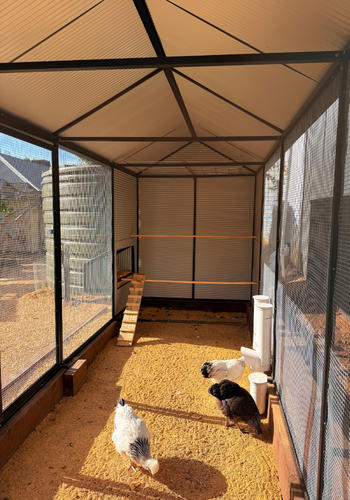 While sand performs exceptionally well, some owners find it can develop an unpleasant smell during wet or humid weather, even with daily cleaning. A light sprinkling of garden lime (agricultural lime) can help absorb odours and keep the run fresher between cleans. Some keepers also spread a small bucket of fireplace ash over the sand every couple of days after raking — a handy way to control odour and use up ash at the same time.
Important: Only use garden lime (agricultural lime). Never use slaked lime, hydrated lime or building lime — these are caustic and can burn your chickens’ feet and skin.
Pros:
- Excellent drainage
- Easy spot cleaning
- Long lasting
- Works well over wire mesh or concrete
- Can be freshened with garden lime or ash during damp weather
Option 3: Sugar Cane Mulch
Sugar cane mulch works particularly well over concrete floors or inside enclosed runs. It breaks down naturally and gives chickens plenty of opportunity to scratch and forage.
Many backyard chicken owners get extra value from it by mixing mulch through with compost and kitchen or garden scraps — whatever the chickens don’t eat breaks down and draws in bugs and worms, which chickens love foraging through. It’s often rated as one of the more absorbent bedding options, going further than alternatives, and it’s inexpensive to begin with, composting beautifully for the garden once broken down. Some backyard chicken keepers have even noticed their flock lose interest in free ranging outside their coop once mulch was added, likely thanks to the extra foraging opportunity it provides.
Keep an eye on cane and straw products though, as mites can live in the shafts of the cane.
Health note: Sugar cane mulch can trigger symptoms for people with asthma or respiratory sensitivities — worth keeping in mind if anyone using the space has asthma, or in a childcare setting.
 Option 4: Straw or Hay
This is worth explaining, because many people use these terms interchangeably:
- Straw is the dry stalk left over after grain crops such as wheat, barley or oats have been harvested. It contains very little nutritional value, is hollow, and is mainly used as bedding or mulch.
- Hay is cut and dried grass or legumes (such as lucerne/alfalfa), harvested specifically as animal feed. It’s leafy, contains seeds and is far more nutritious.
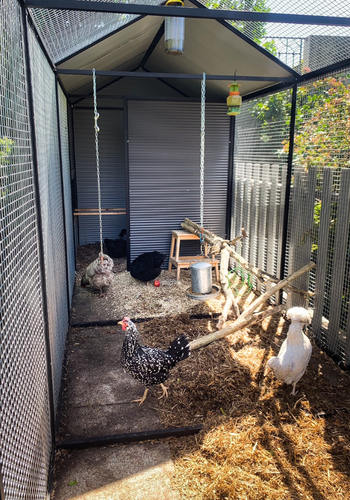
For chicken runs, straw is generally the better choice. It’s a practical, affordable option, particularly during winter — it provides insulation, encourages natural scratching behaviour and composts well as part of a deep litter system. It performs best when kept reasonably dry and should be replaced if it becomes wet or mouldy. Hay, by contrast, is designed as feed rather than bedding: its leafy material and seed heads absorb moisture more readily, making it more likely to turn mouldy and attract rodents.
Many chicken owners buy the cheapest, cleanest straw available from their local fodder store with good results. Laid on thick, droppings simply fall through so there’s little need to rake daily, and a large bag (roughly $26) can last three to four months with no smell and no lice problems. Sprinkling diatomaceous earth through the coop and yard regularly is a popular way to help keep mites at bay.
Pros:
- Warm and comfortable
- Great enrichment
- Composts easily
 Option 5: Wood Chips
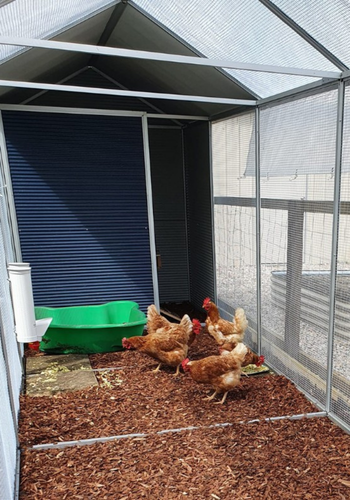
Wood chips can work exceptionally well in larger outdoor runs, particularly if you use untreated hardwood chips over well-drained ground. They provide excellent drainage, reduce mud and encourage natural scratching behaviour. They’re not perfect for every setup, though — in smaller or permanently damp runs, they can eventually break down into wet mulch and need replacing more often. Choose untreated hardwood, avoid bark mulch, treated timber and cedar products, and use a generous layer so chips stay loose and dry.
Several owners of backyard chickens rate wood chips as the best fix for a waterlogged run over winter, noting that they break down and compost well, and that chickens enjoy scratching through them. Not everyone agrees, though — some find wood chips can attract mites, so it’s worth watching your flock and switching materials if you notice an issue. If you’re after a free source, local Facebook groups are often worth checking, as tree removal services frequently give away truckloads of mulch, sometimes on the same day.
Safety note: Avoid coarse or sharp wood chips, as they may contribute to foot injuries such as bumblefoot.
Option 6: Dry Horse Stable Pellets
Horse stable pellets have become increasingly popular among Australian chicken keepers because they’re highly absorbent, easy to maintain and excellent at controlling odours. As the pellets absorb moisture, they naturally expand into a soft sawdust bedding that chickens enjoy scratching through. They work particularly well in covered runs where they stay relatively dry — prolonged wet weather can shorten their lifespan, so they perform best combined with good drainage and weather protection. Choose pellets made from 100% untreated wood and top them up as they break down.
Pros:
- Excellent moisture absorption
- Helps reduce smells
- Easy to remove and top up
How to Stop a Muddy Chicken Run
If your run becomes muddy every winter, the solution is often a combination of good drainage and the right flooring. A few simple changes make a big difference:
- Install a roof or weather cover to keep rain out
- Improve drainage before adding bedding
- Choose absorbent flooring such as horse stable pellets or coarse sand
- Replace wet bedding before it becomes compacted
- Rotate or layer different materials depending on the season
Deep Litter Method vs Regular Cleaning
Many chicken keepers use the deep litter method, where fresh bedding is added over existing material as it slowly composts. This approach reduces maintenance and creates excellent compost for the garden, and most runs only need a complete clean every few months.
Others prefer a more traditional approach, removing soiled bedding every week or two. This can work well in smaller runs or areas that experience frequent rain.
Neither method is right or wrong — it comes down to your setup and how much maintenance you’re comfortable with.
Simple Tools That Make Cleaning Easier
Cleaning doesn’t need to be time-consuming. Some of the most useful tools include:
- A kitty litter scoop for removing droppings
- A drilled shovel for sifting sand
- A compost fork for sawdust or mulch
Used bedding can usually be composted before being added to the garden.
Frequently Asked Questions
What is the best flooring for a chicken run in Australia?
It depends on your climate and setup. Coarse sand and horse stable pellets tend to perform best overall for drainage and odour control, while straw, wood shavings and sugar cane mulch each suit specific conditions — particularly covered runs or drier regions. Whether you call it a chicken run or a chook run, the same principles apply.
Can I use garden lime in a chicken run?
Yes — garden (agricultural) lime can help absorb odours and dry out damp sand or bedding. Never use slaked, hydrated or building lime, as these are caustic and can burn your chickens’ feet.
Does straw or hay attract mites?
Both can, particularly if left damp. Straw is generally the safer bedding choice, since hay’s leafy, seed-rich texture holds moisture and is more likely to attract pests. Replacing bedding before it becomes wet or compacted is the best prevention.
How often should I change chicken run bedding?
It depends on the method you use. With the deep litter method, a full clean-out every few months is often enough. With regular cleaning, many owners remove soiled bedding weekly or fortnightly, especially in smaller runs or wetter climates.
What flooring stops a chicken run getting muddy in winter?
A weatherproof cover combined with an absorbent, well-draining material — such as horse stable pellets, coarse sand or wood chips over well-drained ground — is the most effective way to prevent a muddy run through winter.
Our Final Suggestions
The best chicken run flooring is the one that keeps your flock dry, comfortable and easy to care for.
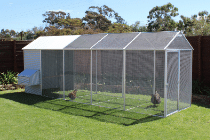
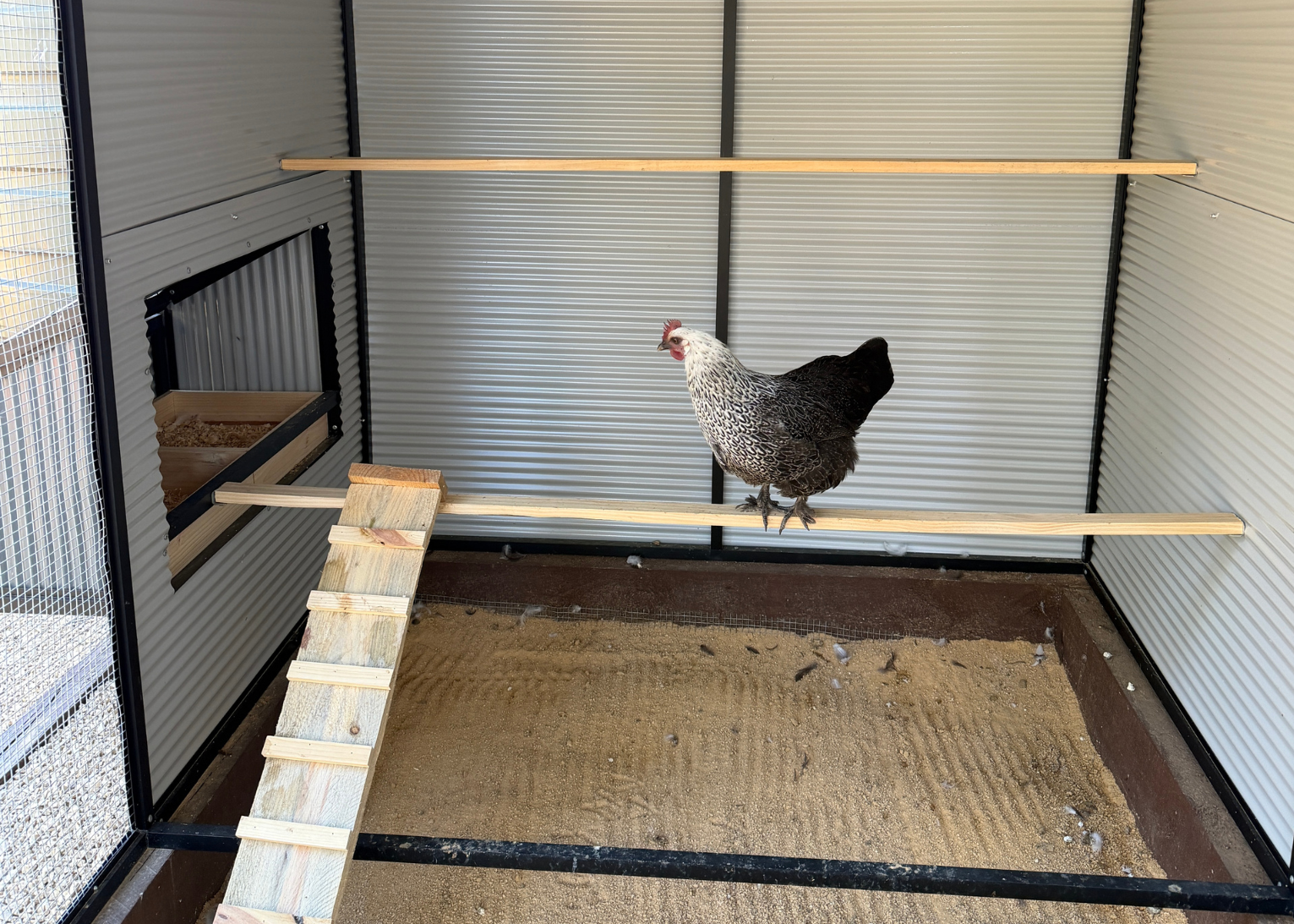
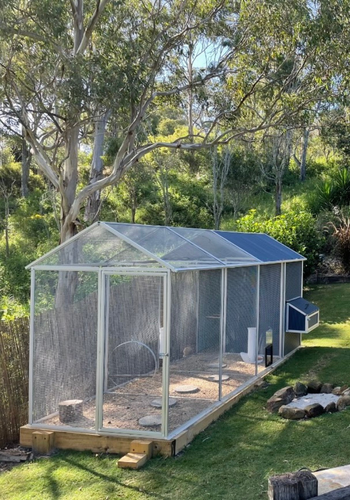
For many Australian backyards, coarse sand or horse stable pellets perform exceptionally well, while straw, wood shavings and sugar cane mulch each have their place depending on your climate and setup. We personally use coarse sand in our Chicken Palace with Medium Extension coop and have been very happy with the results.
If your chicken run is protected from the weather and cleaned regularly, almost any quality flooring can work successfully. The key is choosing a material that suits your conditions and replacing it before it becomes wet, compacted or smelly.
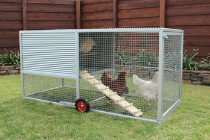
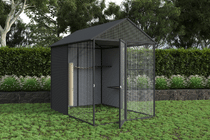
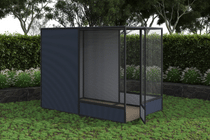
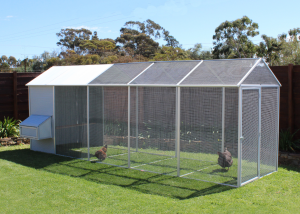
Sorting the flooring is only half the job — a well-designed run makes the rest much easier. Royal Rooster’s mobile coops along with our Chicken Palace walk-in range, are Australian made and designed to handle local conditions, with the option to add a Mesh Floors upgrade for extra predator protection. Take the guesswork out of the build, then choose the flooring that suits your climate.
Add comment